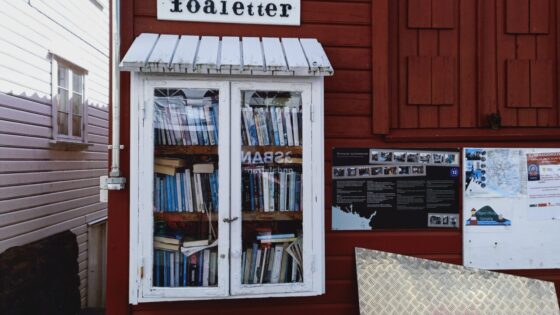
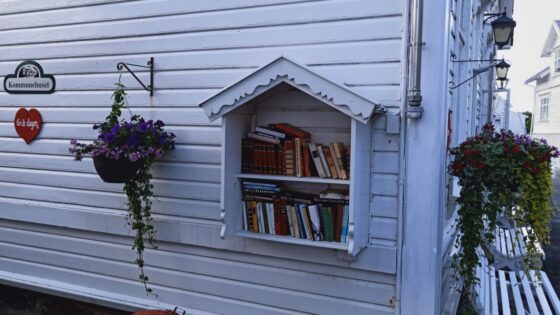
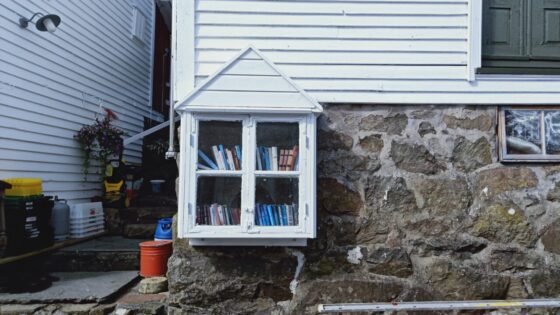
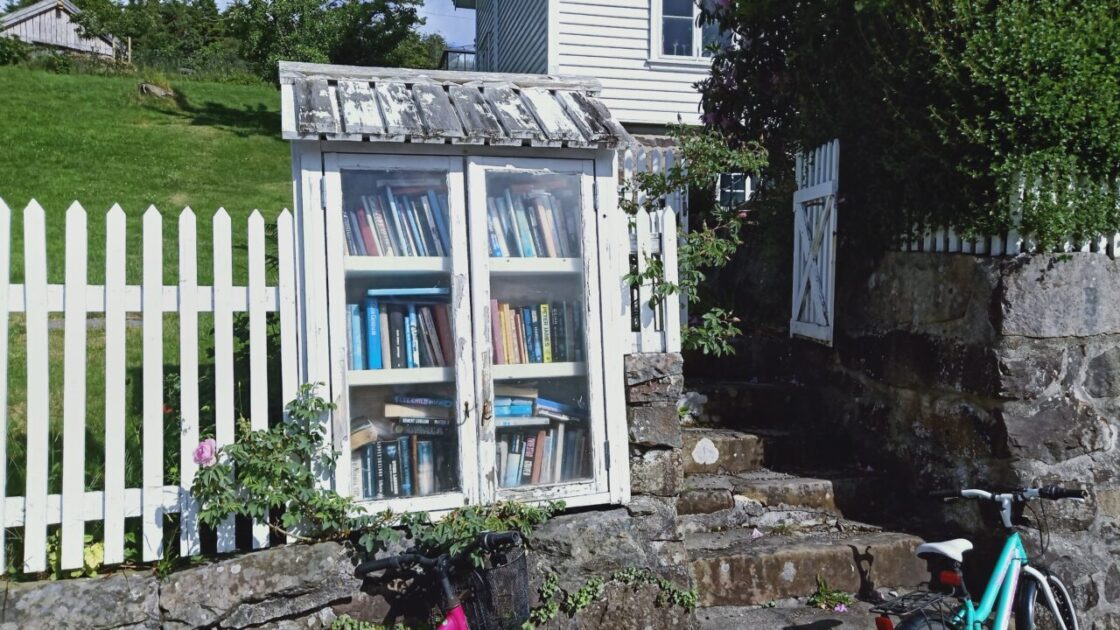
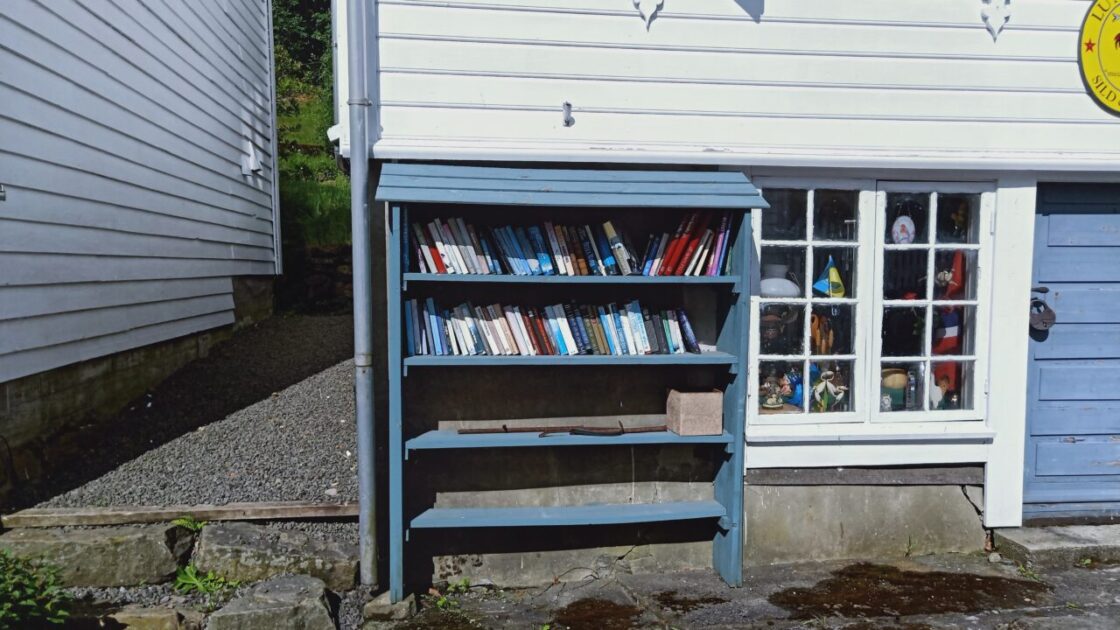
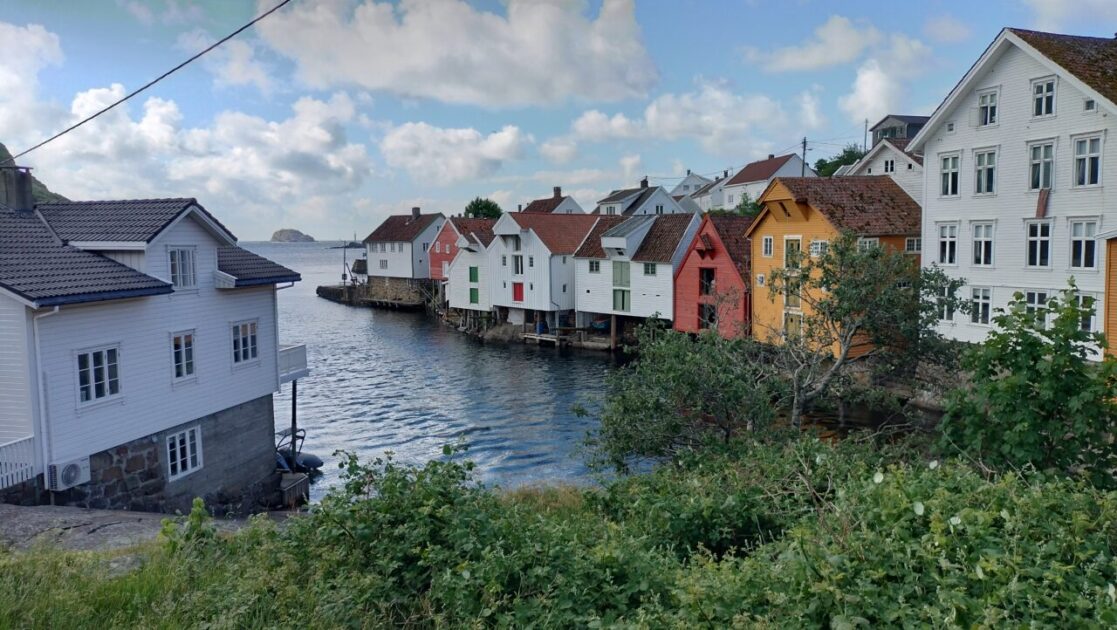
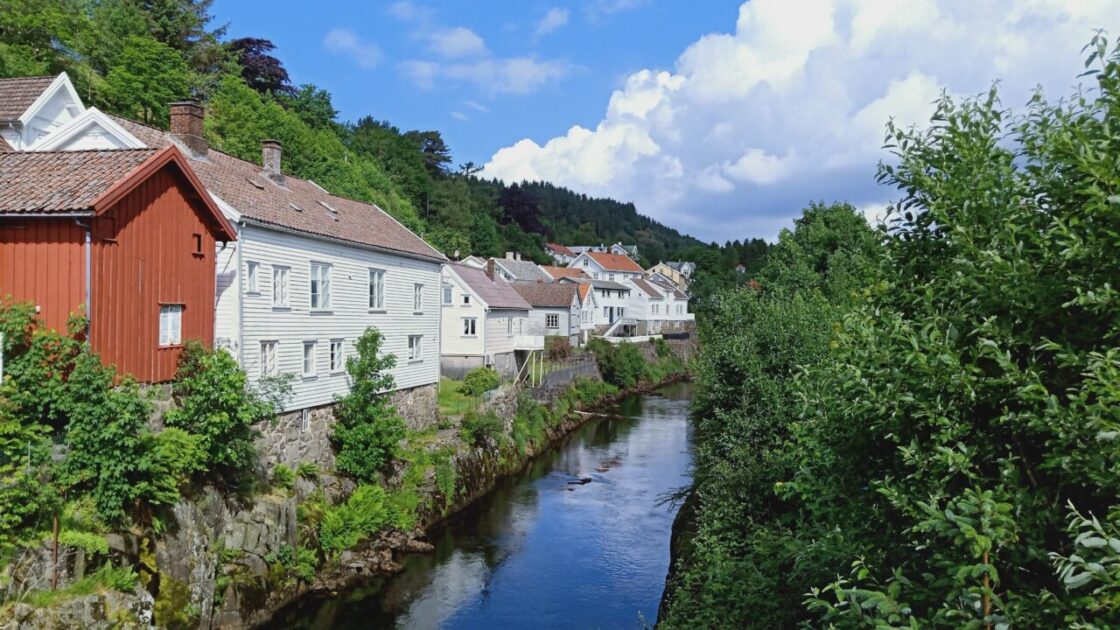
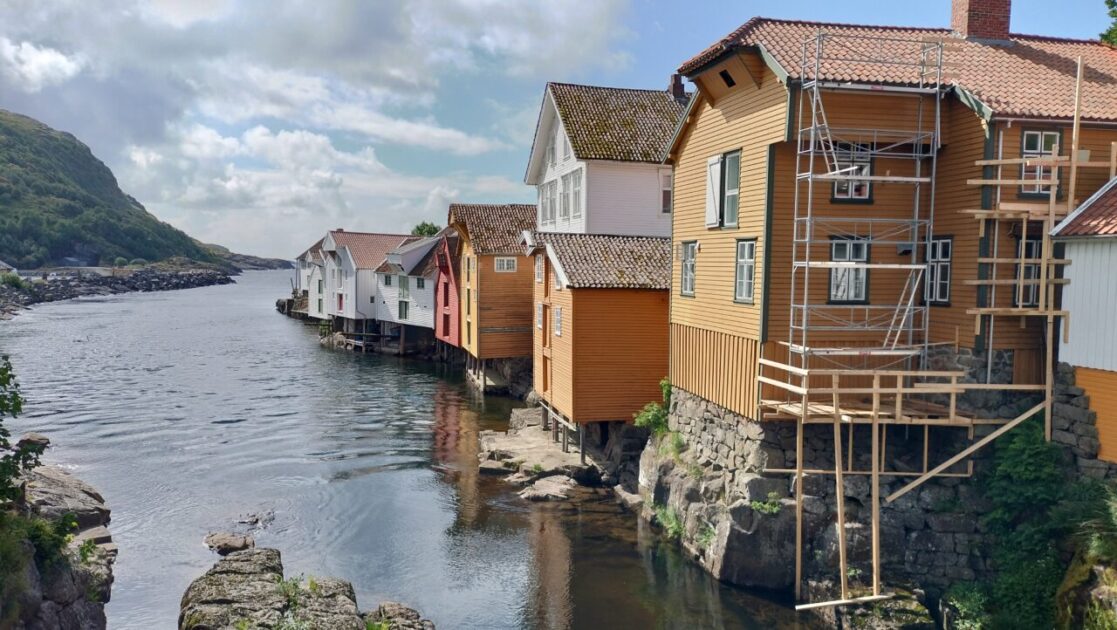
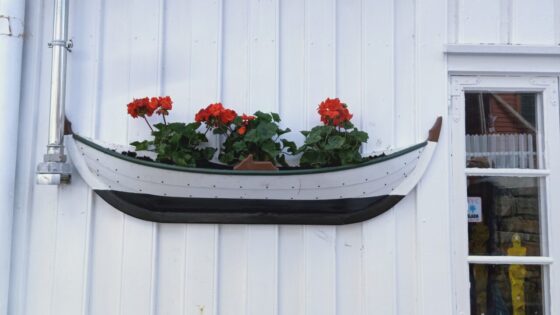
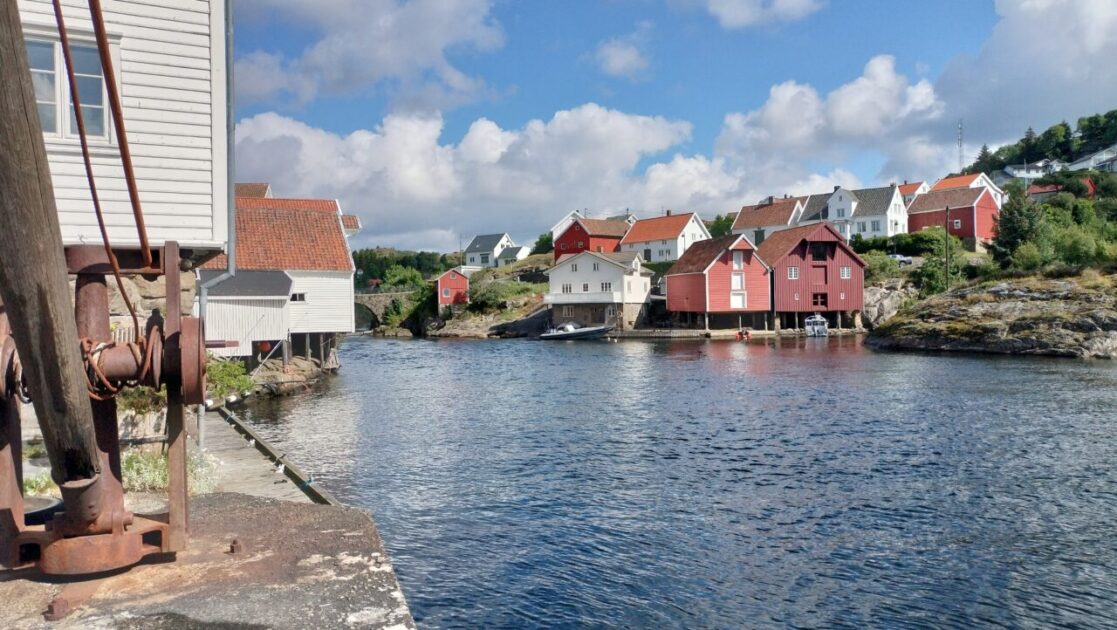
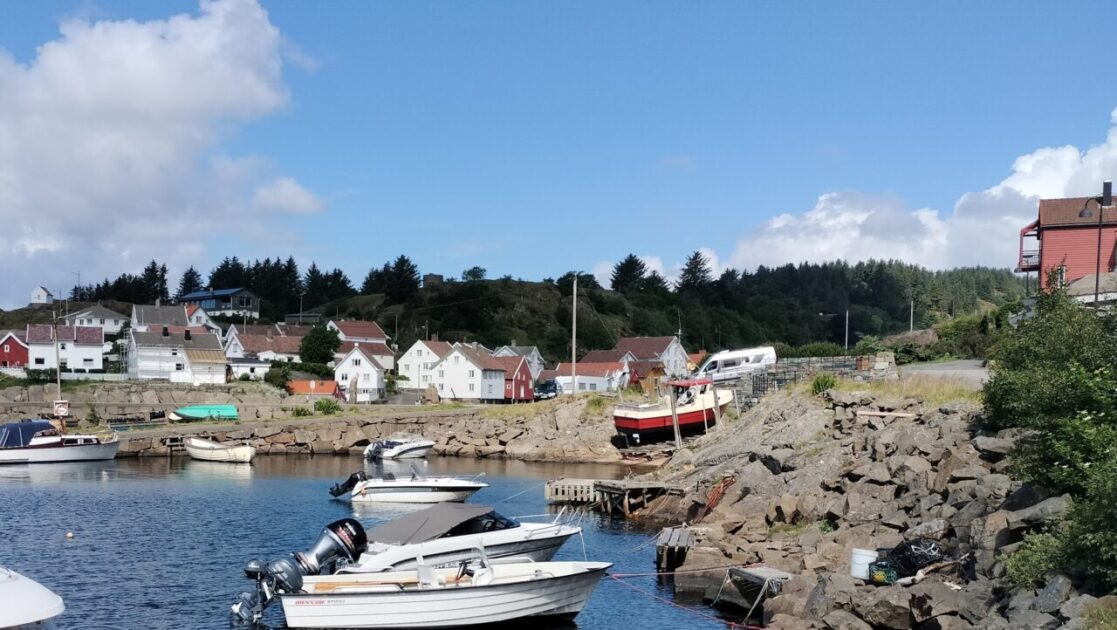
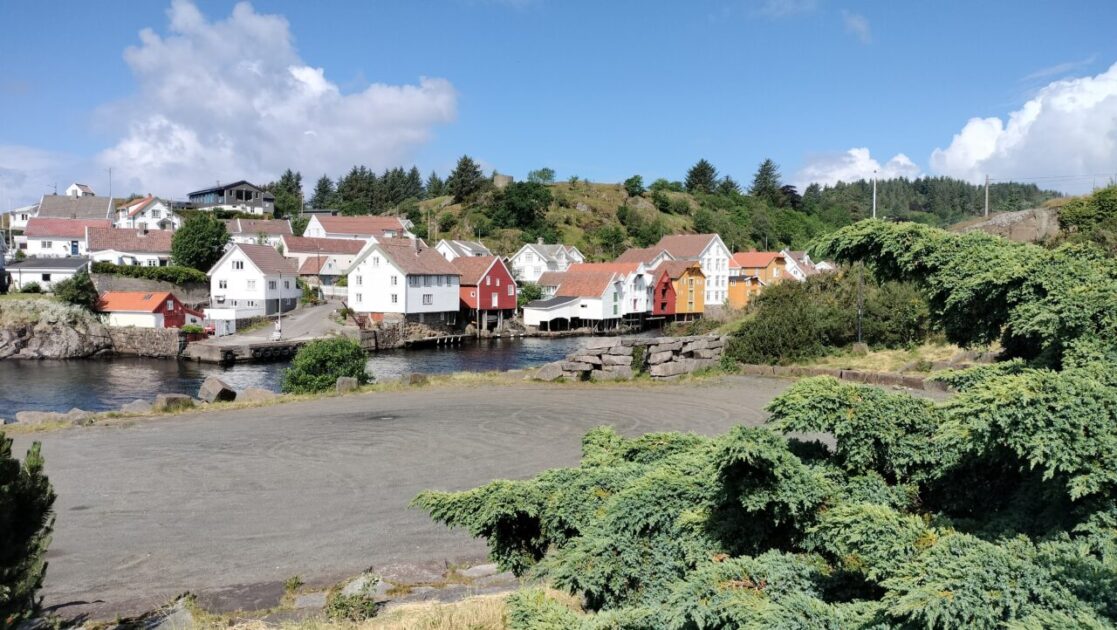
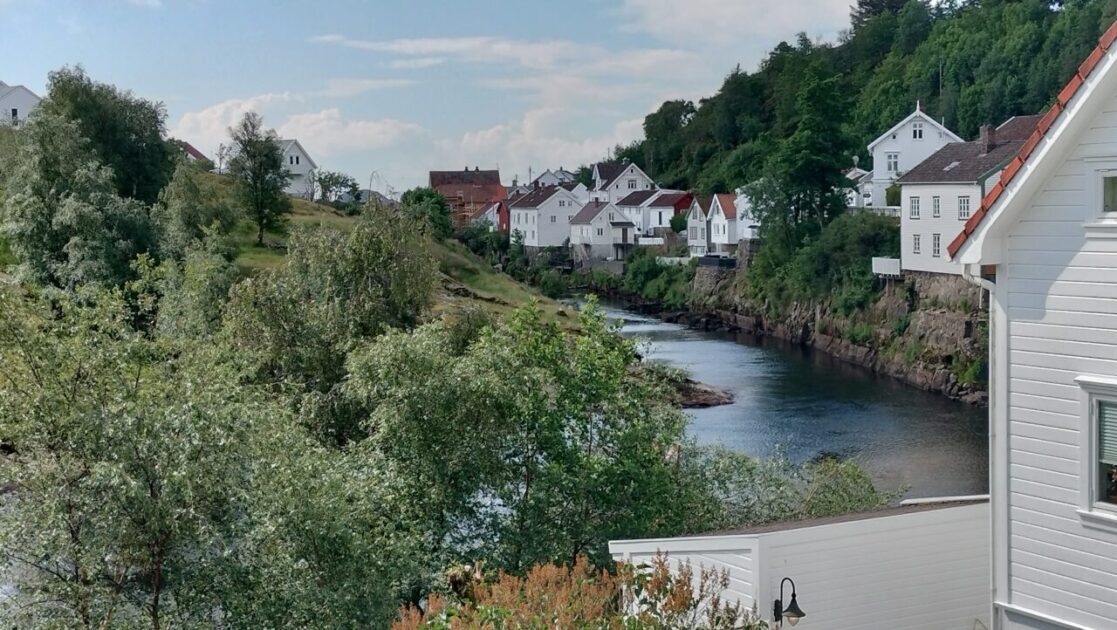
The sun was shining this morning on Sogndalstrand so we took a leisurely stroll around the whole village, it doesn’t take long. The picturesque village has a number of 16th and 17th century wooden houses, a small marina, couple of dining and hotel establishments and 5 little libraries.
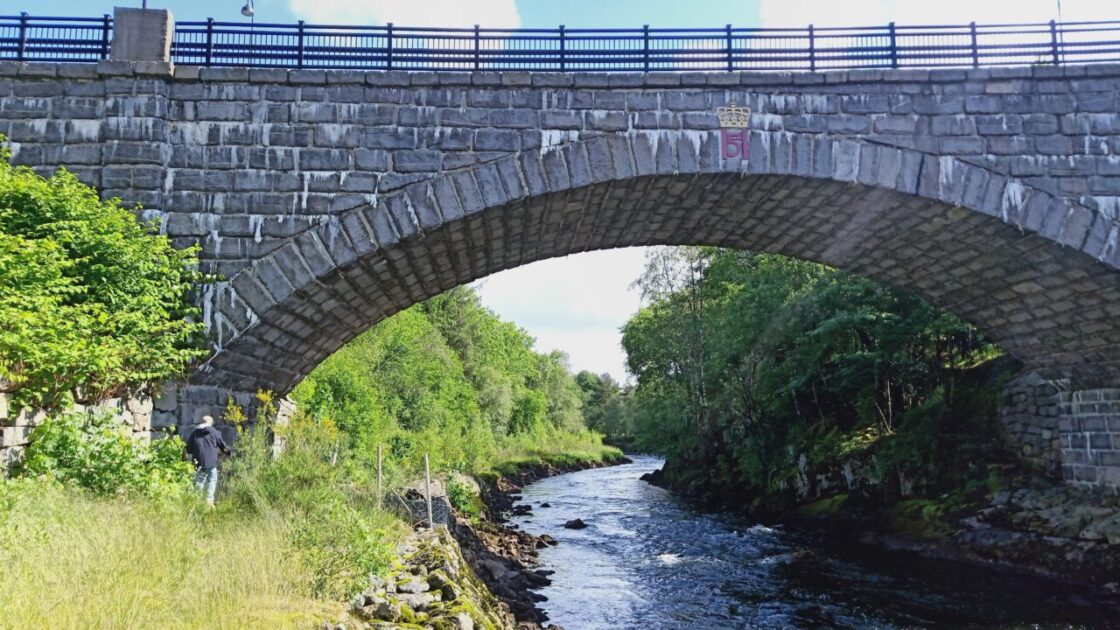
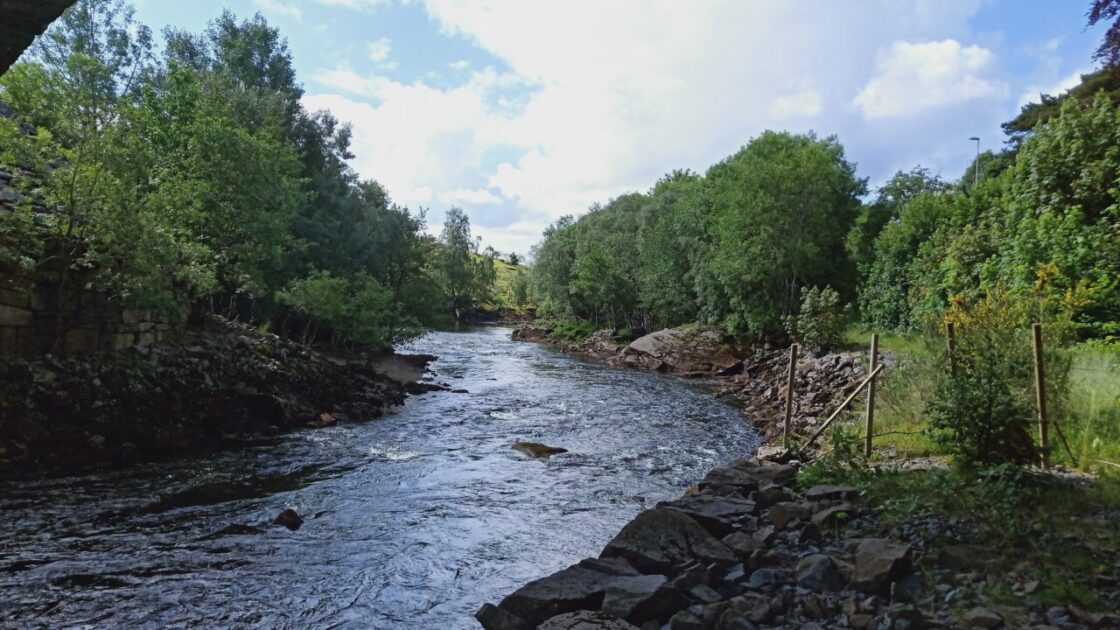
There was a geocache based around the libraries but it was disabled a month before we got here. We walked to the entrance of town to find the last remaining cache which was placed under a stone bridge. The river apparently has lots of salmon, like New Zealand there are strict rules about the catch size, amount, having a licence, time of year etc.
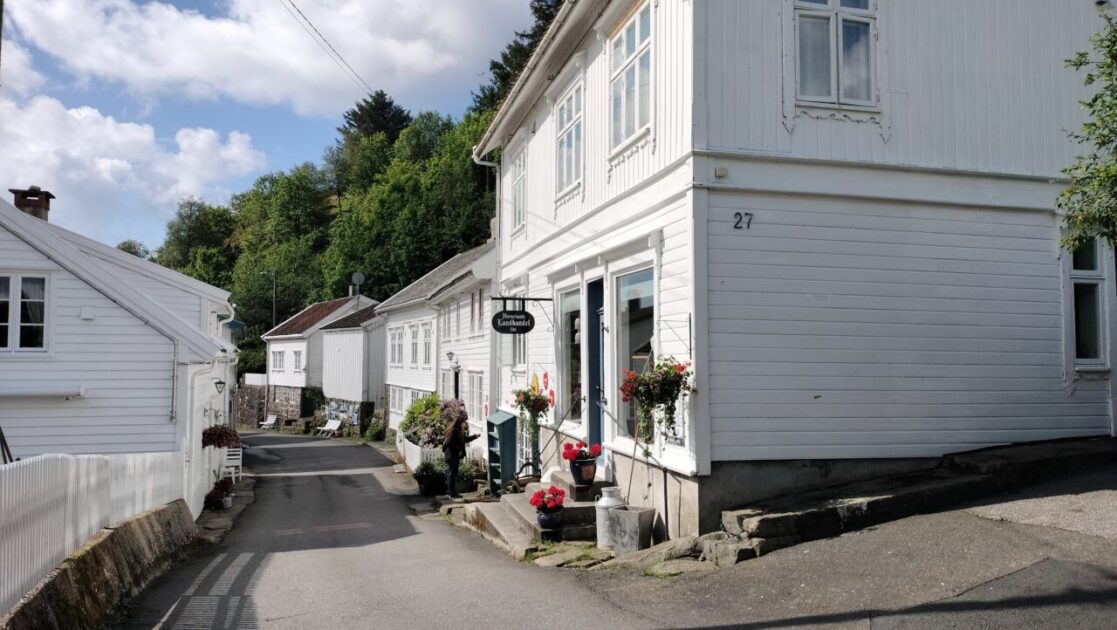
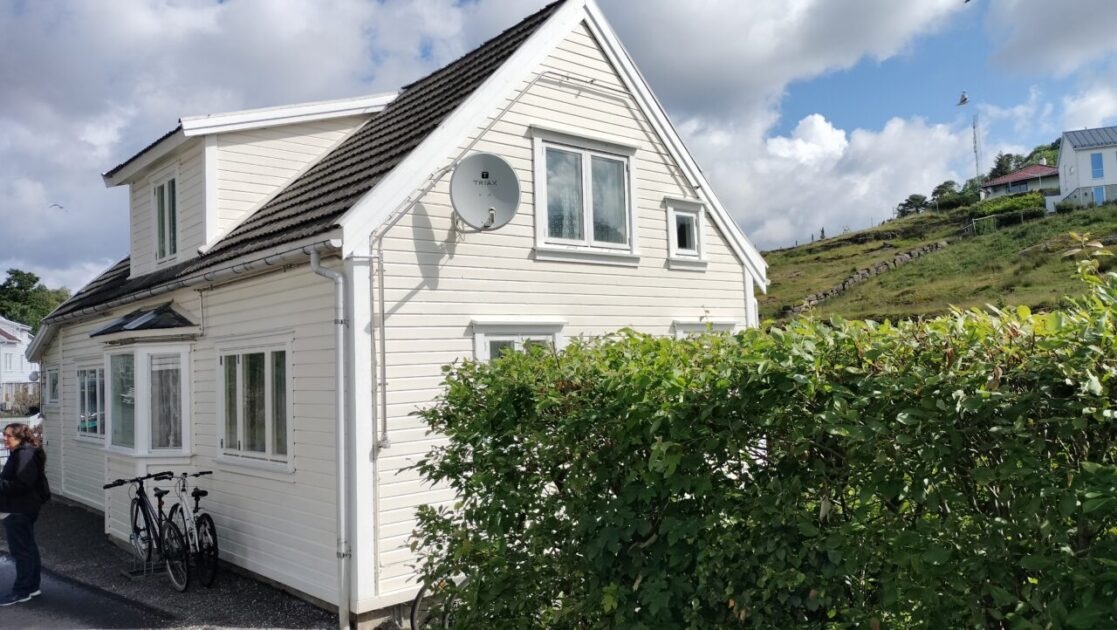
Back to the timber houses; here are a few photos of town before I launch into my spiel on why picturesque isn’t always practical.
Scandinavians, Vikings and whoever else preceded the current inhabitants built their houses out of wood, not stone like other Europeans. Wood may have more construction benefits than glacial stone however it easily catches fire. Scandinavians claim that they have very few heritage buildings because they have been destroyed by fire during centuries of wars. Sogndalstrand has taken an extra measure to ensure that their quaint village remains the subject of tourism posters by installing, on the outside of the houses in the main street, water pipes and sprinklers that can be easily attached to a fire hose. With clay/concrete roof tiles and all walls having water sprayed on them, the danger of a fire spreading is minimised.
I’m unsure what wood the houses are constructed from but rural cabins tend to be made from Norwegian Wood (pine) as they know the behaviour of it, how it ages, weathers, its elasticity, strength and its ability to be shaped and formed. If you ask Roger what Norwegian Wood is he will tell you it is a song by the Beatles; technically he is correct, however Bob Dylan will claim they stole the music off him. In the Beatles song they were referencing the cheap pine used as paneling in London houses.
Today’s ABBA tribute is ‘Andante Andante’ (1981), Andante is a musical term meaning ‘gently or moderately slow’.
It is also an Italian word meaning ‘at walking pace’ and a Spanish word meaning ‘a person who is walking or is a traveller’. Andante best describes this village; life appears to be lived at a slow, gentle pace and travelers come and walk. There’s not much else to do and besides, you are supposed to leave your car at the village gates.